
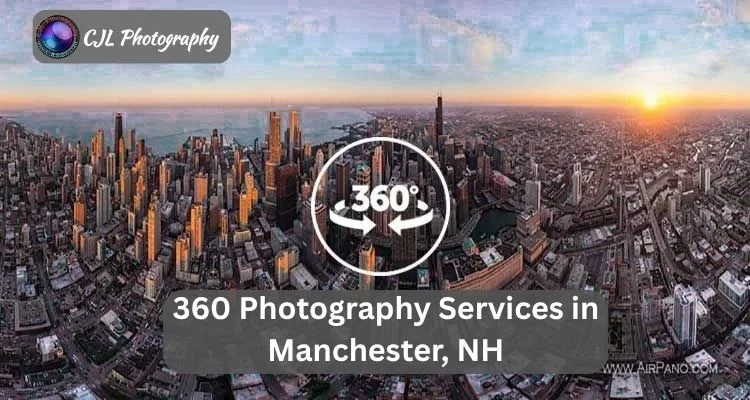
If you’ve spent any time comparing quotes for 360 photography in Manchester, you’ve probably noticed most pages tell you the same three things: it looks impressive, it works on any device, and you should call today. What they usually skip is the part that actually helps you make a decision: how the process works, what changes the price, and whether it’s genuinely worth it for a business like yours.
That’s what this guide covers. Whether you manage a hotel near the airport, run a restaurant downtown, oversee an assisted living community, or lease office space in one of the restored Millyard buildings, you’ll walk away knowing exactly what to expect from a 360 photographer in Manchester and how to tell a strong tour from a mediocre one.
Why Manchester Businesses Are Turning to 360 Photography
Manchester’s commercial landscape is unusual in a good way. You’ve got 19th-century mill buildings converted into modern office suites, a growing hospitality scene along Elm Street and near the airport, and a healthcare and senior living sector that keeps expanding as the city grows. None of these property types photograph particularly well with a handful of static shots.
A restored mill floor with exposed brick, tall windows, and an irregular layout doesn’t communicate its actual scale or flow in five photos.
A hotel lobby looks fine in a still image, but a guest deciding between three properties wants to feel like they’ve already walked through the space. A 360 degree photographer in Manchester solves that specific problem: turning a property into something a stranger can explore before ever stepping through the front door.
This matters more than it might seem. People researching a business online today expect more than a photo gallery. They’re used to Google Maps street view, real estate walkthroughs, and immersive shopping experiences. A static photo gallery, by comparison, feels dated, even when the photos themselves are well shot.
What 360 Photography Actually Is (And Isn’t)
There’s some confusion worth clearing up before anything else. 360 photography and virtual tours aren’t the same thing as a video walkthrough, and they’re not a single wide-angle photo either.
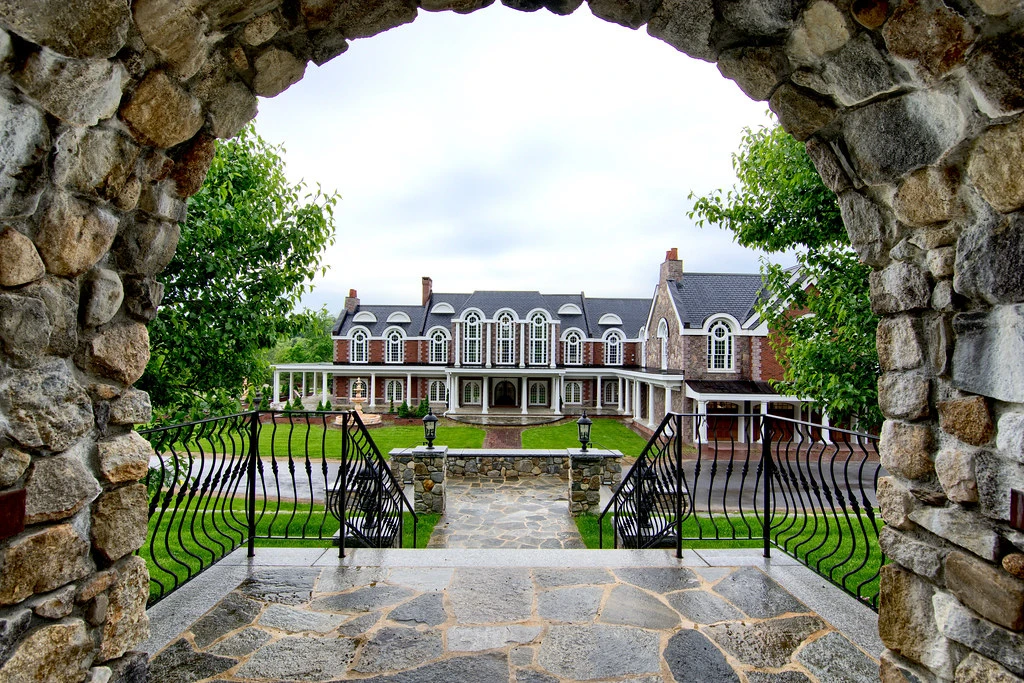
A true 360 photo is a spherical image, stitched together from multiple exposures taken from a fixed point, so a viewer can click and drag to look in every direction: up, down, left, right, all the way around. A virtual tour links multiple 360 photos together into a navigable sequence, so someone can move from room to room the way they would in person.
This is different from:
- A single wide-angle or fisheye photo (limited field of view, not interactive)
- A drone video flyover (great for exteriors, not interactive room-by-room navigation)
- A 3D floor plan scan (technically impressive but often overkill and expensive for smaller commercial spaces)
For most Manchester businesses, a proper 360 photo tour hits the sweet spot: interactive, accurate, and far less expensive than a full 3D laser scan, while still giving viewers genuine spatial understanding.
How the Process Actually Works
Here’s where most competitor pages go quiet, and it’s exactly the part a business owner wants to know before booking.
Step 1: Pre-shoot planning. A good 360 photographer in Manchester will ask about the property layout ahead of time, not show up cold. This includes understanding traffic flow, lighting conditions throughout the day, and any areas that need special handling (kitchens, guest rooms currently occupied, sensitive equipment in a manufacturing space).
Step 2: Scheduling around operating hours. Restaurants get shot outside service hours. Hotels get scheduled around housekeeping and guest check-in windows. Senior living communities get worked around resident routines. A shoot that disrupts daily operations isn’t a good shoot, no matter how the final images turn out.
Step 3: Capturing each vantage point. A 360 camera rig captures multiple bracketed exposures at each shooting position, usually mounted on a tripod at a fixed height for consistency between rooms. For most commercial spaces, this means anywhere from 8 to 25 capture points depending on square footage and layout complexity.
Step 4: Stitching and editing. Raw captures get stitched into seamless spheres, corrected for exposure, color accuracy, and any visible seams at the stitch line. This is the step that separates a professional 360 photo services in Manchester provider from someone using a consumer app: proper stitching software, manual correction where needed, and consistent color grading across the whole tour.
Step 5: Linking and delivery. Individual 360 images get connected with navigational hotspots so a viewer can move logically through the space, then delivered as an embeddable link ready for a website or Google Business Profile.
A straightforward property, like a single restaurant or a small office suite, typically takes two to four hours to shoot on site. Larger properties like hotels or assisted living communities can run a full day. Turnaround for the finished tour is usually one to two weeks, though rush delivery is often available for an added fee.
What Affects the Price of a 360 Photo Shoot
This is one of the most common questions and one of the least answered pieces of content online. Pricing for 360 degree photography in Manchester typically depends on.
Most small to mid-sized commercial properties in Manchester can expect a range that scales with square footage rather than a flat fee, which is why getting an actual quote based on your specific property (rather than a generic price list) tends to be more accurate. A short email describing square footage, number of rooms, and intended use is usually enough for a photographer to put together a real estimate.
Where 360 Tours Actually Get Used
A tour is only valuable if it ends up somewhere people will actually see it. Here’s where Manchester businesses typically put their finished tours to work:
- Google Business Profile. This might be the single biggest reason local businesses invest in 360 photography. A tour embedded directly in your Google listing shows up before a customer even clicks through to your website, and Google explicitly favors listings with richer visual content in local search results.
- Website embeds. Hotel booking pages, restaurant landing pages, and apartment leasing pages all benefit from an embedded tour that keeps visitors on the page longer.
- Direct links for prospects. A single tour link can be texted or emailed to a prospective tenant, a family member evaluating a senior living community, or a corporate client scouting office space, without them needing to schedule an in-person visit first.
- Social proof and marketing. Tours get shared on Facebook business pages and used in email marketing campaigns targeting people who haven’t yet visited in person.
Industry-Specific Uses in Manchester
Hotels. A 360 tour lets a traveler compare your lobby, guest rooms, and amenities against three other properties without leaving the booking site. In a market with several mid-size hotels competing for the same corporate and leisure travelers, this can be the deciding factor between two similarly priced rooms.
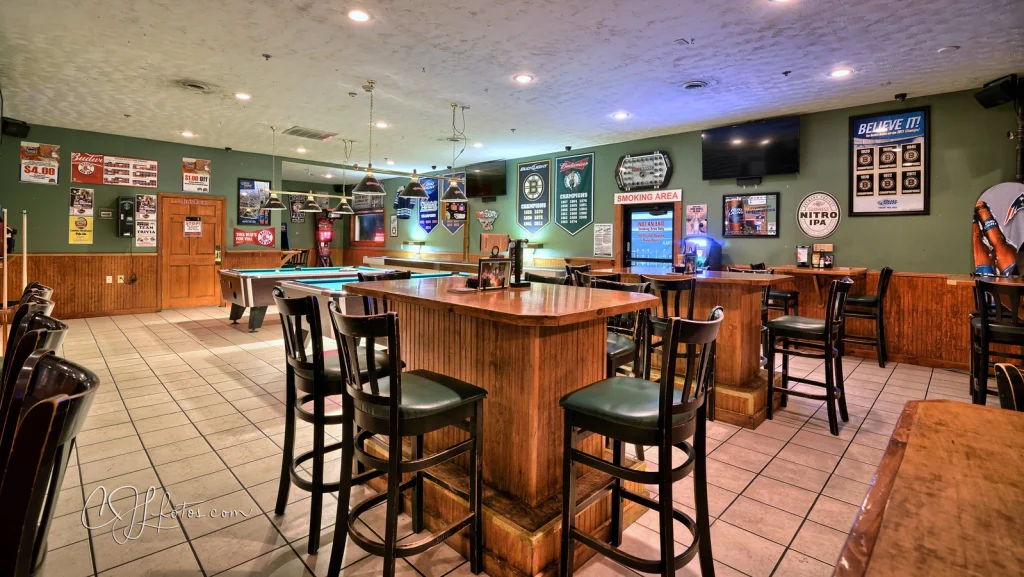
Restaurants. Diners increasingly check what a restaurant actually looks like before booking a reservation, especially for group dinners or special occasions. A tour of the dining room and bar area builds confidence that photos alone can’t.
Assisted living and senior care. Families researching a community for a parent or relative are often doing so from out of state or across town while juggling a difficult decision. A tour of common areas, dining spaces, and typical rooms lets them narrow down options before scheduling an in-person visit, which tends to make that visit more focused and less overwhelming.
Offices and commercial real estate. With so much of Manchester’s Millyard converted into modern office space inside historic buildings, prospective tenants want to understand how a space actually flows, especially with exposed brick, tall ceilings, and non-standard layouts that don’t translate well through a floor plan alone.
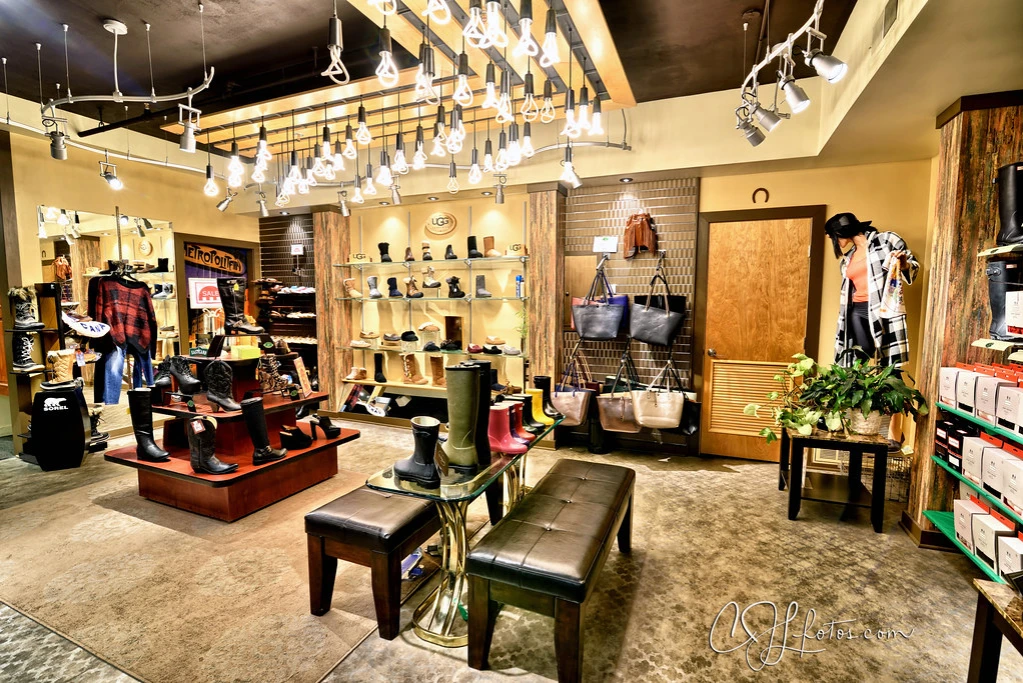
Retail and auto dealerships. Showrooms and retail floors benefit from a tour that shows off product displays, service areas, and overall layout, particularly useful for dealerships where a service facility tour can reduce the number of basic phone inquiries.
Medical and dental offices. Patients, especially new ones, often want to see a waiting room and treatment space before their first appointment. A tour reduces first-visit anxiety and gives a practice a more modern, transparent feel online.
What Separates a Good 360 Photographer From a Mediocre One
Not every 360 tour is created equal, and the difference usually comes down to a handful of specifics worth asking about before booking:
- Stitching quality. Poorly stitched images show visible seams, warping, or ghosting where objects moved between exposures. Ask to see a sample tour, not just still photos.
- Consistent exposure and color. A tour where every room looks slightly different in tone or brightness feels amateur. Professional editing keeps everything visually consistent from room to room.
- Load speed and device compatibility. A tour that loads slowly or breaks on mobile defeats the purpose. Test any sample tour on your own phone before hiring.
- Navigation logic. Hotspots should follow a natural path through the property, not force a viewer to backtrack constantly to find the next room.
- Delivery format. Make sure the final tour is easy to embed on your website and share as a direct link without needing extra formatting work on your end.
- Local experience. A photographer who has already shot similar properties in Manchester understands the practical realities, like scheduling around Millyard building access or working within a restaurant’s actual service hours, rather than learning on the job with your property.
Is 360 Photography Worth the Investment?
For a lot of businesses, the honest answer depends on how much of your customer decision-making happens before a phone call or in-person visit. If prospective guests, tenants, patients, or families are researching multiple options online before committing to anything, a tour gives you a real advantage over competitors relying on static photos alone.
It’s less critical for businesses where the buying decision rarely involves comparing physical space (a service-based business with no publicfacing location, for example). But for hospitality, senior living, real estate, retail, and healthcare, where the physical space itself is part of what’s being sold, a 360 tour tends to pay for itself through better-qualified inquiries. People who’ve already walked through your space virtually tend to show up more seriously, having already ruled out any hesitations a photo alone couldn’t answer.
Getting Started
If you’re ready to move forward, the process usually starts with a short conversation about your property: square footage, number of rooms or areas you want covered, and how you plan to use the finished tour. From there, a photographer can put together an accurate quote and schedule a shoot around your actual hours of operation, whether that’s a quiet Tuesday morning at a restaurant or an off-peak window at a busy office building.
Manchester’s mix of historic mill architecture, growing hospitality sector, and expanding senior care and medical facilities means the demand for genuinely well-executed 360 photography keeps growing. Choosing a photographer who understands both the technical side and the practical realities of your specific property type makes the difference between a tour that sits unused and one that actually brings in more qualified inquiries.
FAQ
How much does 360 photography cost in Manchester, NH?
Pricing depends on square footage, number of rooms, and turnaround time. Small properties like a single restaurant or office suite typically cost less than large hotels or senior living communities. Getting a quote based on your specific property is the most accurate way to know your cost.
How long does a 360 photo shoot take?
Most single-location businesses, like restaurants or small offices, take two to four hours on site. Larger properties such as hotels or assisted living communities can take a full day, depending on the number of rooms and common areas being covered.
What’s the difference between a 360 photo and a virtual tour?
A 360 photo is a single spherical image from one shooting position. A virtual tour links multiple 360 photos together with clickable navigation, letting a viewer move through an entire property room by room.
Can a 360 tour be added to my Google Business Profile?
Yes. Most 360 photographers deliver tours in a format that embeds directly into a Google Business Profile, which can improve how your listing appears in local search results and give potential customers more reason to click through.
Do I need to close my business during a 360 photo shoot?
Not usually. Shoots are typically scheduled around your actual operating hours, whether that’s before opening, after closing, or during a slower part of the day, so day-to-day operations aren’t disrupted.
Is 360 photography worth it for a small business?
For businesses where customers make decisions based on physical space, like hospitality, senior living, retail, or healthcare, it’s usually worth the investment. It helps prospective customers feel more confident before ever visiting in person, which tends to lead to more qualified inquiries.