
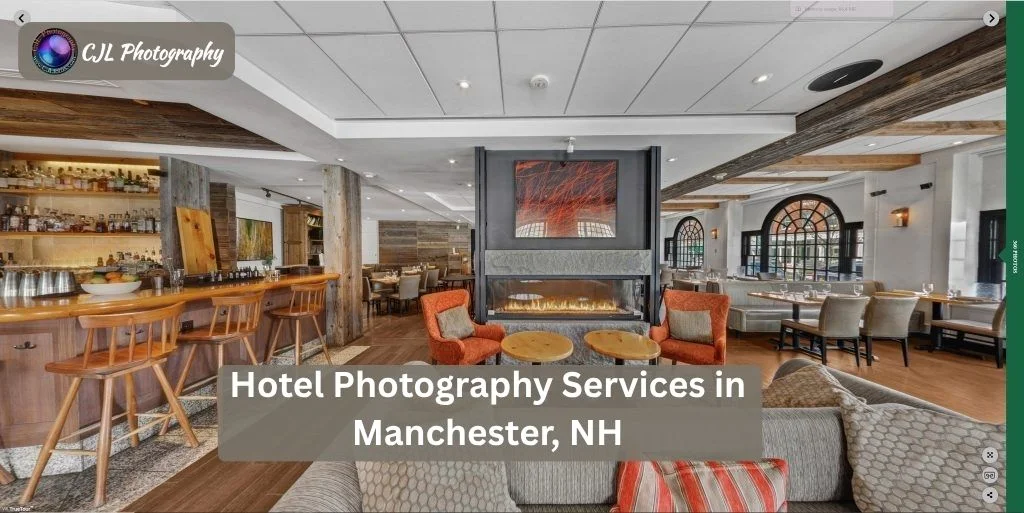
A hotel a few blocks from SNHU Arena and a hotel near the Millyard business district are technically both in Manchester, New Hampshire. That is about where the similarity ends. One is competing for a concertgoer who books a room the same week a show gets announced. The other is competing for a corporate traveler comparing three properties near a downtown office park, usually weeks in advance, usually on a company expense account. Hotel photography in Manchester, NH has to account for that split, because the same set of images rarely sells both kinds of stays equally well.
That gap is where a lot of hotel marketing quietly falls apart. A property invests in a photoshoot, gets a set of technically fine images back, and still sees soft conversion on the OTA listing or the direct booking site. Usually the problem is not exposure or sharpness. It is that nobody planned the shoot around who is actually supposed to book the room after seeing the photo. This guide walks through what makes hotel photography work specifically in Manchester, what a real shoot includes, and how to evaluate a photographer before you book one.
Why Hotel Photography in Manchester, NH Looks Different Than Other Markets
Manchester’s hotel demand runs on two separate engines. The first is SNHU Arena, which pulls in concerts, hockey games, and touring shows on a schedule that shifts every month. When a big act gets announced, nearby hotels see a spike in searches within days, sometimes hours. Travelers booking around an event care about proximity, walkability to downtown, and a sense that the stay will be part of the night out, not just a place to sleep before driving home.
The second engine is business travel tied to the Millyard district and the broader downtown corridor, home to a mix of established employers and a steady flow of corporate visitors, consultants, and conference attendees. This traveler is comparing hotels on a completely different set of criteria: a functional desk, reliable WiFi, a lobby that reads as efficient rather than flashy, and a location that makes a 7 a.m. meeting easy to get to without stress.
A photographer without local context often treats every hotel shoot the same way: wide room shots, a lobby wide shot, an exterior sign shot, done. That approach misses the actual sales job the photos need to do. A property near the arena benefits from images that suggest energy and easy access to downtown nightlife. A property built around business stays benefits from images that read as calm, clean, and dependable. Photography that ignores this split guesses what actually gets a room booked.
What Makes Hotel Interior Photography in Manchester Actually Work
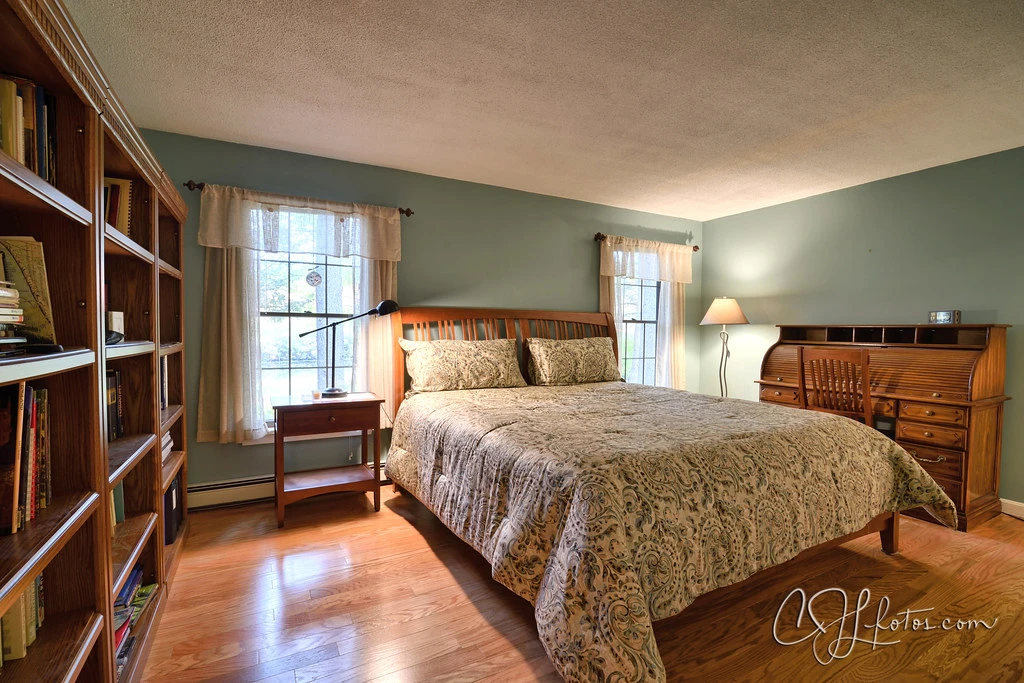
Good hotel interior photography in Manchester comes down to a handful of technical decisions that most guests never consciously notice, but absolutely react to.
Lens Choice and Room Proportions
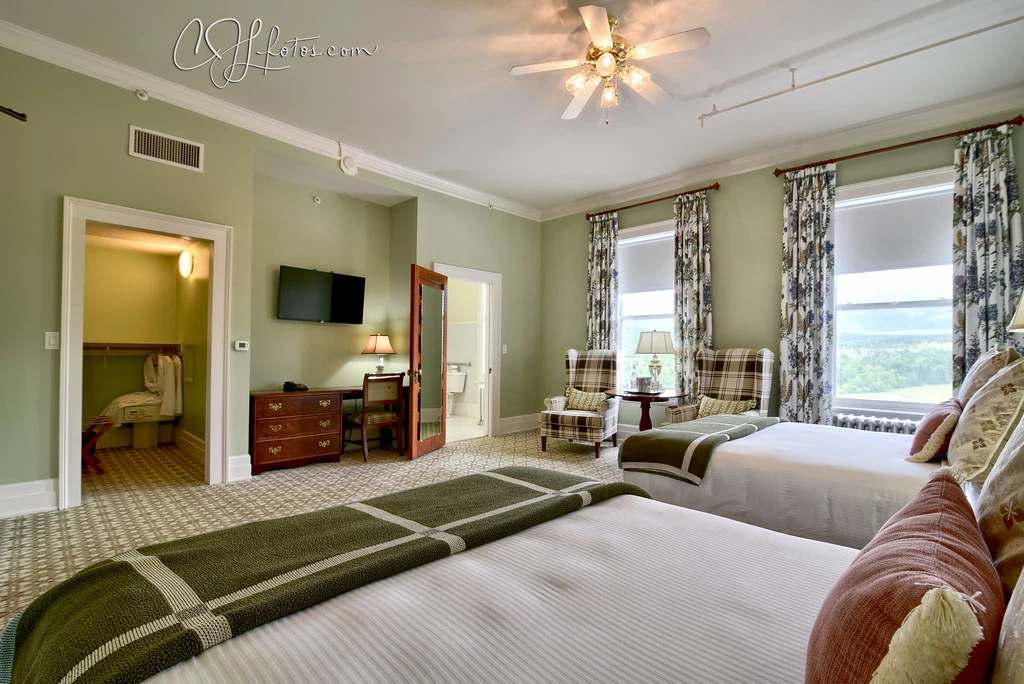
An ultra-wide lens is tempting because it makes a standard hotel room look enormous on a screen. The problem shows up at check-in, when a guest who booked based on that photo walks into a room that looks noticeably smaller than what they pictured. That gap between expectation and reality is one of the more common, and most avoidable, causes of a bad review. A room shot that represents its true size and layout, staged and framed correctly, still looks appealing and doesn’t set a guest up to feel misled the moment they open the door.
Working With Natural Light
Manchester hotel lobbies and rooms often have real natural light, whether it is morning sun through east-facing windows downtown or late afternoon light in a Millyard-area property. Flat studio flash tends to erase that character and leaves a room looking sterile and interchangeable with any other hotel room in any other city. Shooting around a room’s actual light, and sometimes blending multiple exposures to balance a bright window against a dimmer interior, keeps a space looking like an actual place a guest wants to be, not a stock photo.
Staging for the Right Guest
The same room, staged two different ways, tells two different stories. A room aimed at an SNHU Arena weekend crowd might be styled with a slightly more relaxed, social feel: a couple of drinks on the nightstand, curtains open to show proximity to downtown. The identical room aimed at a business traveler gets styled cleaner and more functional: desk visible and usable, minimal clutter, nothing that reads as “leisure trip” in a photo a traveling employee needs to justify on an expense report. Staging decisions like these are small on camera and large in terms of who actually books.
What a Commercial Hotel Photography Shoot in Manchester Actually Covers
“Hotel photography” as a phrase covers more ground than most first-time clients expect. A well-planned commercial hotel photography session in Manchester typically includes:
- Guest rooms, shot across different room types (standard, suite, accessible) so OTA listings and the property website accurately represent what a guest is actually booking.
- Lobby and common areas, timed around natural light where possible, since a lobby is often the first real impression a guest forms after arrival.
- Amenities, including pools, fitness centers, business centers, and meeting or event space, which matter heavily to the Millyard-area business traveler segment.
- Exterior and curb appeal, especially signage and entrance shots that help a guest recognize the property quickly, which matters more than it sounds for a first-time visitor arriving after dark.
- On-site dining, if the property runs its own restaurant or bar, shot with the same care as a standalone restaurant photography session rather than squeezed in as an afterthought.
Covering all of this in one organized shoot, rather than piecing together separate sessions over time, keeps the visual style consistent across every channel: the property website, OTA listings, Google Business Profile, and social media. Consistency matters here because a traveler often sees a property on two or three of those platforms before booking, and mismatched photo styles read as unprofessional even when each image is fine.
Where a 360 Virtual Tour Fits Into Hotel Photography in Manchester
Static images still do most of the heavy lifting in hotel marketing, but 360 virtual tours have become a meaningful add-on for Manchester properties, particularly ones competing for SNHU Arena weekend traffic. When a concert gets announced, and someone is deciding between two or three nearby hotels within a matter of hours, a virtual tour that lets them “walk through” a room or lobby before booking can be the difference between a click and a bounce to a competitor’s listing.
The key with a 360 tour, the same as with still photography, is accuracy. A tour built with an exaggerated wide-angle view sets up the same disappointment at check-in that an overly wide still photo does. A tour that represents a room or lobby honestly builds trust before a guest ever arrives, and that trust tends to show up later in review language, things like “exactly as pictured,” which is a phrase that quietly helps future bookings too.
Luxury Hotel Photographer Considerations for Manchester Properties
Not every hotel in Manchester is competing on the same tier, and a luxury hotel photographer working with a higher-end property has to shift priorities accordingly. Budget and mid-scale hotels generally need clean, accurate, well-lit images that remove doubt. Upscale and boutique properties are usually selling something closer to an experience or an atmosphere, and the photography needs to carry more mood: closer attention to texture (linens, finishes, furniture materials), more deliberate use of shadow and light rather than flat, even lighting, and often a narrower, more curated image set rather than a large volume of standard shots.
The common thread across both tiers is honesty. A luxury property benefits from photography that feels elevated, but the moment an image starts to misrepresent the actual space, whether through extreme lens distortion or heavy-handed editing, it works against the property the first time a guest walks in expecting the photo and getting the real room.
How to Choose a Hotel Photographer in Manchester, NH
Not every commercial photographer who lists “hotels” as a service actually understands hospitality shoots, and hiring the wrong one usually costs more in wasted time and re-shoots than it saves upfront.
A short conversation before booking usually reveals a lot. A photographer who immediately asks about your typical guest, your event calendar exposure (arena weekends, conferences, graduation season), and your current OTA image performance is planning a shoot strategically. One who only asks about square footage and room count is planning a generic one.
What to Expect When You Book a Hotel Photoshoot
Most hotel photography sessions in Manchester follow a similar rhythm, though the exact schedule depends on property size and how many areas need coverage.
- A short planning call. This covers guest type, priority rooms and areas, and timing around natural light or property occupancy.
- On-site staging. Rooms and common areas get lightly staged, straightened, and prepped before shooting starts, since even a well-lit room photographs poorly if a bed is uneven or a lobby has clutter in frame.
- The shoot itself. Depending on property size, this typically runs a few hours, covering rooms, lobby, amenities, and exterior, often timed to catch favorable light for exterior and lobby shots specifically.
- Editing and review. Images get color corrected, straightened, and light-balanced, then sent over for review before anything is called final.
- Delivery. Final high-resolution images arrive ready for the property website, OTA platforms, and Google Business Profile, sized appropriately for each.
Knowing this rhythm ahead of time makes it easier to plan around front desk operations, housekeeping schedules, and any events already on the calendar that week.
Final Thought on Hotel Photography in Manchester, NH
Hotel photography in Manchester, NH is not really a single service. It is closer to two related services that happen to share a camera: one built for the traveler chasing an SNHU Arena weekend, and one built for the traveler booking a Millyard-area business stay. Properties that get the best return from a shoot are usually the ones that name their actual guest out loud before the shoot happens, rather than assuming a generic set of “nice hotel photos” will do the job for everyone who lands on the listing.
If you manage a Manchester property and are not sure which side of that split your bookings actually lean toward, that is worth figuring out before your next photoshoot, not after.
FAQ
How much does hotel photography cost in Manchester, NH?
Pricing depends on property size and how many areas need coverage (rooms, lobby, amenities, exterior). Most sessions are priced as a package covering the full property in one visit rather than charged per room, which keeps costs predictable for GMs planning a marketing budget.
How long does a hotel photoshoot take?
A typical shoot runs a few hours depending on property size, though larger properties with multiple room types, extensive amenities, or an on-site restaurant may need a longer session or a split shoot across two visits.
Do hotels need different photos for business travelers versus event weekend guests?
Yes, ideally. A room staged and shot for an SNHU Arena weekend crowd tends to emphasize energy and downtown proximity, while the same room aimed at business travelers should look clean, functional, and distraction-free.
What is included in a commercial hotel photography session?
A full session typically covers guest rooms, lobby and common areas, amenities like pools and fitness centers, exterior and curb appeal, and on-site dining if the property has its own restaurant or bar.
Is a 360 virtual tour worth it for a Manchester hotel?
For properties competing on last-minute event bookings near SNHU Arena, a 360 tour can meaningfully help conversion, since travelers deciding quickly between properties can preview a room or lobby before booking rather than relying on static photos alone.
How often should a hotel update its photography?
Most hospitality properties benefit from refreshing photos every one to two years, or sooner after any renovation, furniture change, or rebrand, since outdated photos create the same expectation mismatch problem as overly wide or heavily staged images.